Electrical Panel Upgrade Cost in Portland & Vancouver, WA (2026 Guide)
By Power Professor · 13 min read
Short answer: in 2026, a straightforward 100-amp-to-200-amp panel and service upgrade runs most Portland and Vancouver homeowners about $2,500 to $5,000 installed, permit included. Once the meter base, service mast, grounding system, or panel location have to change too, $4,500 to $8,000 is the realistic range, and a 400-amp service for a large home or shop starts around $7,000. Our own invoices for the same job over the past two years typically land at $2,500 to $3,500, median $3,000 — the lower third of that metro range.
Those numbers come from published Portland-area contractor pricing and the current City of Portland and Washington L&I permit schedules, not from a national cost calculator that averages in Kansas City. They also hide a lot of variation. Below is exactly what moves a quote up or down, what the permit actually costs on each side of the Columbia, how PGE and Clark Public Utilities fit into the schedule, and how long the whole thing takes from first call to final inspection.
Panel upgrade cost in Portland and Vancouver at a glance
Every job is quoted after we look at the panel, the meter, the service drop, and what you plan to plug in over the next ten years. But these are the ranges we see quoted across the metro in 2026 for a typical single-family home, with permit and inspection included.
Here is our own number, which most cost guides can't give you. Across the 100-to-200-amp upgrades we billed between August 2024 and August 2026, the typical job came to $2,500 – $3,500, with a median of $3,000. That sits in the lower third of the metro range below, and it is what we publish on our panel upgrade page.
Typical installed cost, Portland metro and Clark County, 2026
Job
Typical installed range
What's driving it
Like-for-like panel replacement (same amperage)
$1,800 – $3,000
New panel and breakers, existing meter base and service stay; often the fix for a Federal Pacific or Zinsco swap on a 100A service
100A → 200A service upgrade (panel + meter base)
$2,500 – $5,000
New 200A panel and main, new meter socket, utility disconnect/reconnect, permit and inspection
Full service upgrade with new mast, weatherhead and grounding
$4,500 – $8,000
Overhead service rebuilt end to end, grounding electrode system brought to current code, sometimes a PGE or Clark PUD service-drop change
Panel relocation (added to the above)
+ $2,000 – $4,000
Moving the panel out of a closet, bathroom, or stairwell means re-routing every circuit to the new location
Subpanel for garage, shop, or ADU
$800 – $1,800+
Depends mostly on the length of the feeder run and whether it's trenched
400A service (large home, shop, or multiple EVs)
$7,000 – $12,000+
Larger gear, often a new meter base and utility coordination for the transformer
What's actually included in a 200-amp service upgrade
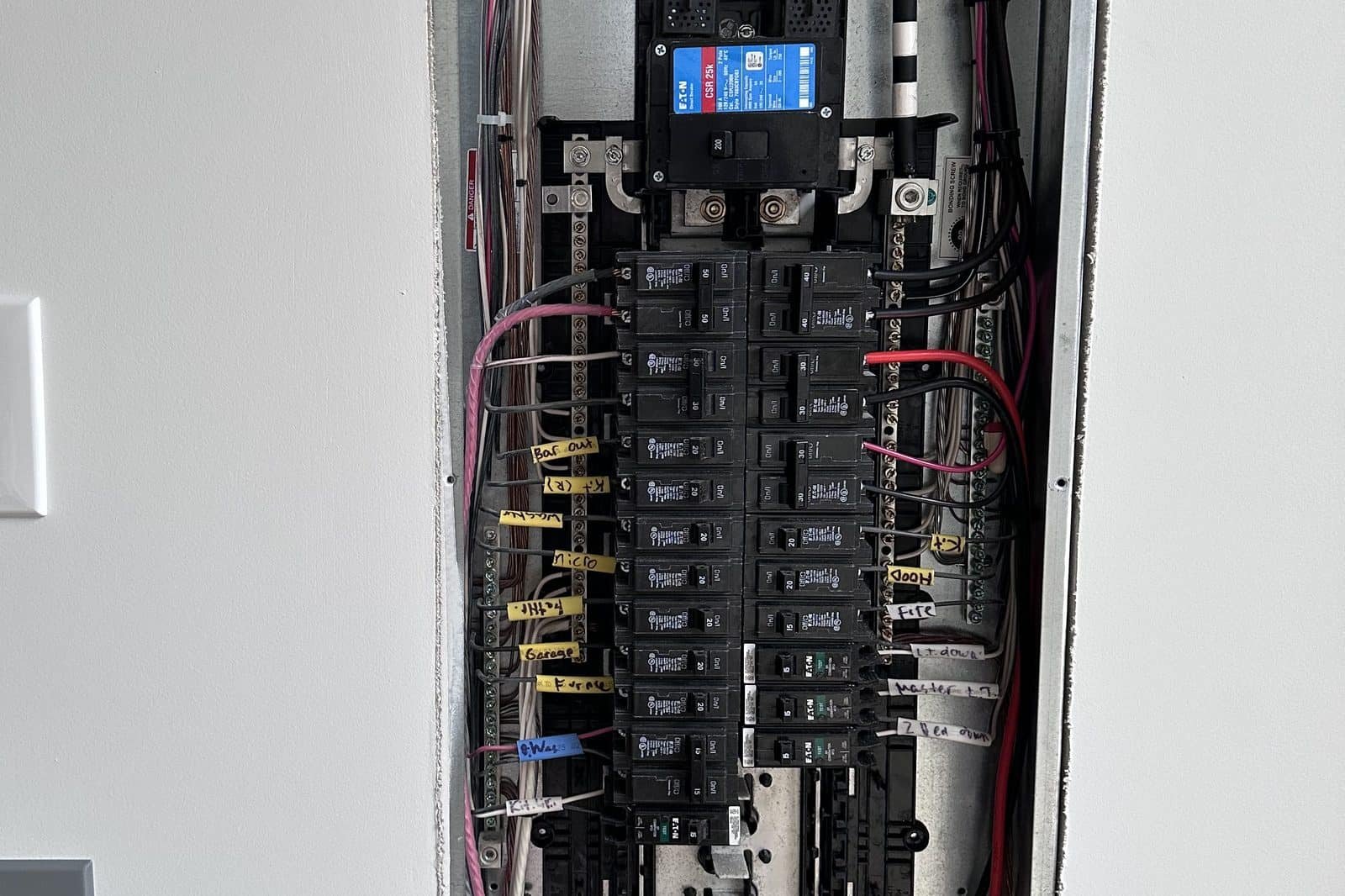
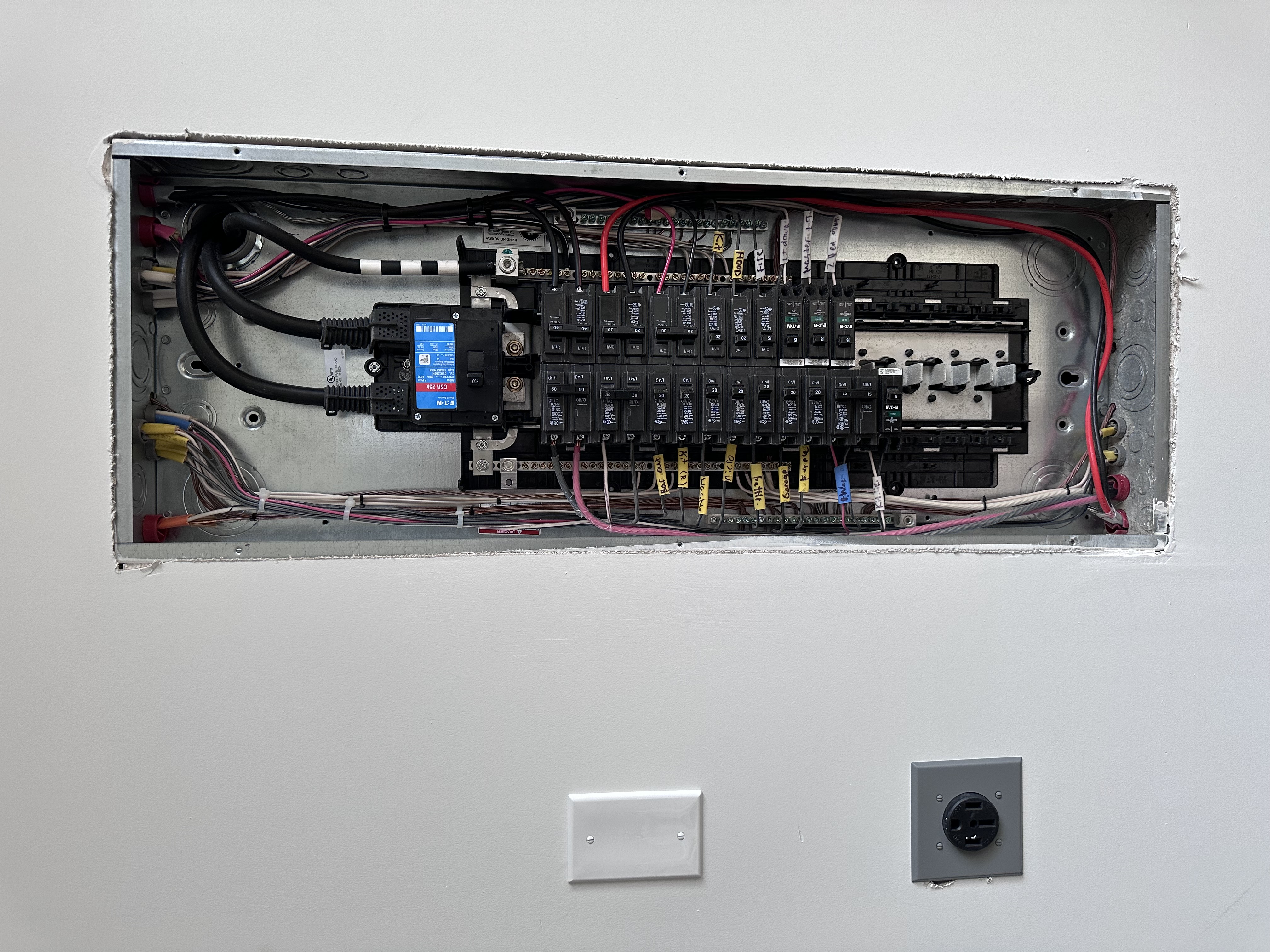
"Panel upgrade" gets used for two different jobs. A panel replacement swaps the breaker box and keeps the existing service size. A service upgrade raises the amperage coming into the house, which touches everything between the utility's wires and your breakers. A proper 200-amp service upgrade in Portland or Vancouver should include all of the following, and your quote should list them:
New 200A load center and main breaker sized for the circuits you have now plus the ones you're adding (EV charger, heat pump, induction range, hot tub).
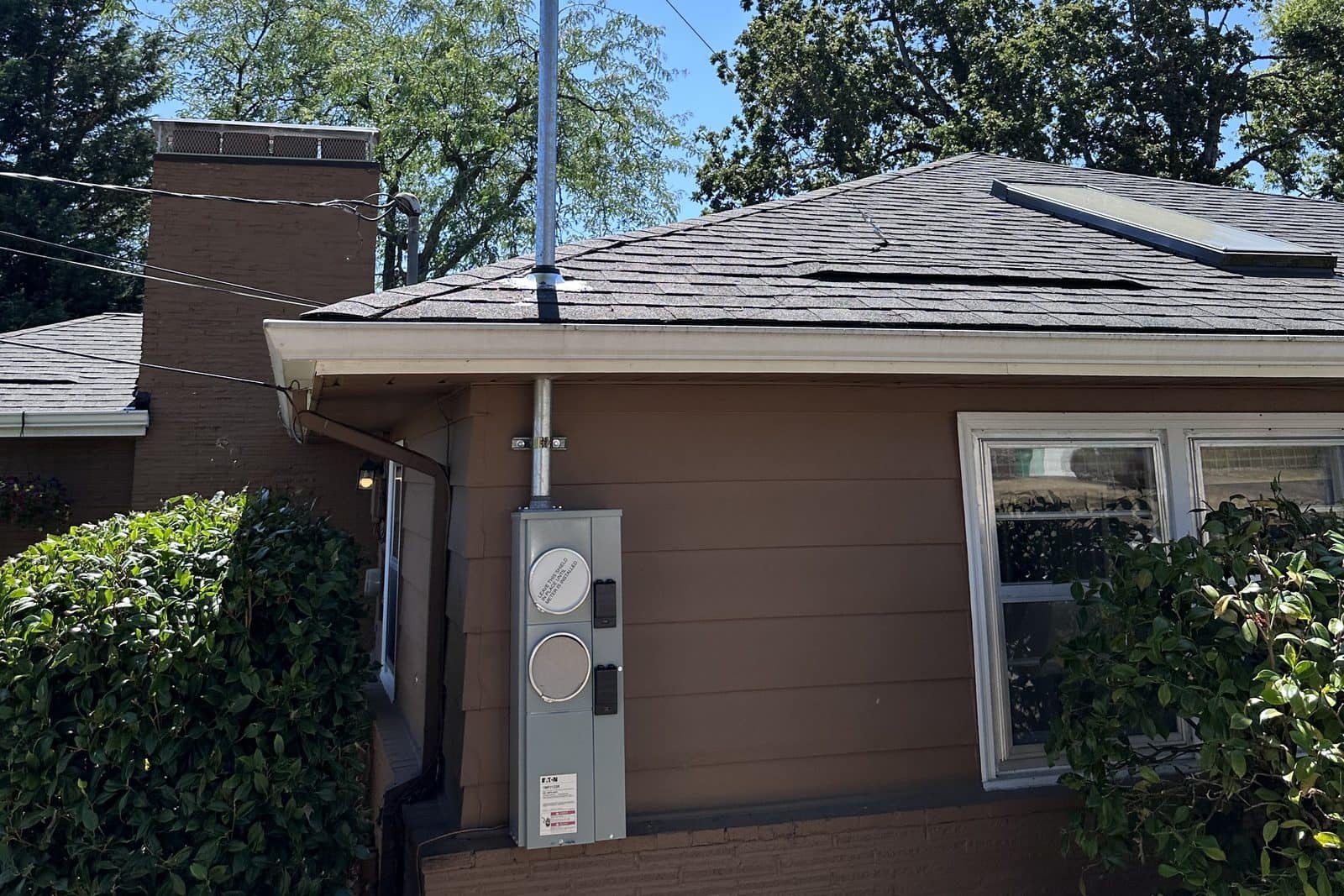
New meter socket, PGE-approved ring-style on the Oregon side, and a new service mast, weatherhead, and service-entrance conductors on an overhead service. PGE requires the meter socket and weatherhead to be brought up to current requirements whenever the service is upgraded.
Grounding and bonding brought to current code: ground rods or a connection to the footing rebar, water-pipe bond, and properly sized grounding electrode conductors. Older homes almost always need this.
An exterior emergency disconnect (required in Washington). Washington's rules call for an outdoor emergency disconnect whenever a one- or two-family service is replaced and the amperage changes or the meter base or mast moves, which is why most Clark County upgrades now use a meter-main combination. Oregon hasn't adopted that section, so in Portland it's a recommendation, not a requirement.
A whole-home surge protective device at the service. Washington requires one whenever dwelling service equipment is replaced; Oregon doesn't, but it's cheap insurance for every appliance, charger, and heat pump board in the house either way.
Breakers, labeling, and a directory that matches reality, including AFCI or GFCI breakers where you're adding or extending circuits.
Permit, inspection, and utility coordination, all scheduled by us, not you.
A full service upgrade rebuilds the mast, weatherhead and meter base, not just the panel inside. This is the part a "panel-only" quote leaves out.
The 7 things that move the price
Two houses on the same street can get quotes $3,000 apart and both be fair. Here's what an electrician is pricing when they look at your setup:
Service size and panel capacity. Going from 100A to 200A is the common move; 400A needs heavier gear and more utility involvement. Circuit count matters too, since a 40-space panel leaves room for the next decade.
Meter base, mast, and service-entrance condition. If the mast is rusted, the weatherhead is sagging, or the meter socket is an obsolete style, they get replaced. Underground services skip the mast but can involve trenching or a utility-side conductor change.
Grounding and bonding updates. Most pre-1990 homes are missing something here. It's not optional, and it's not expensive, but it's work.
Panel location and access. An open garage wall is a half-day job. A panel buried in a finished basement closet, behind lath and plaster, or in a location code no longer allows (bathrooms, clothes closets, over stairs) can turn into a two-day job with a relocation.
Breaker requirements. Oregon's electrical code specifically says replacing or upgrading a service or panelboard does not force existing circuits onto AFCI breakers, which keeps a simple swap affordable. New or extended circuits still need AFCI/GFCI protection in both states.
The utility side. PGE, Pacific Power, and Clark Public Utilities each have their own approval and scheduling steps. In older parts of Portland, a jump to 200A or 400A can trigger a transformer or service-drop evaluation that adds time more than money.
Surprises behind the cover. Double-tapped breakers, aluminum branch circuits, knob-and-tube splices, or scorching all get flagged during the estimate visit. That's the reason we look before we quote. If you own a pre-1950 or late-1960s home, our guide to knob-and-tube and aluminum wiring covers what those findings mean.
Permit fees: Portland vs. Vancouver and Clark County
A panel or service upgrade needs an electrical permit and a final inspection in both states, and the permit has to be pulled by a licensed electrical contractor (or, in limited cases, the owner-occupant). The fee itself is a small line item, but the jurisdiction determines who inspects and how fast:
$121.50 for 0–200A; $151.20 for 201–400A (L&I worksheet, fees effective July 2025)
L&I inspector signs off before the utility reconnects
We pull the permit, schedule the inspection, and show the fee as its own line on the estimate. If a quote you're comparing doesn't mention a permit at all, ask. Unpermitted panel work is one of the most common things a home inspector flags at resale, and fixing it later costs more than doing it right once.
Utility coordination: PGE, Pacific Power, and Clark Public Utilities
The utility owns everything up to the meter and has to be involved in any service upgrade. This is the step homeowners most often don't expect, and it's where most of the calendar time goes.
Portland General Electric (most of the Portland metro). PGE requires prior notice before you add load or modify service equipment, so we open the request with PGE Service Coordination before the install day, not after. PGE will only reconnect once the city or county inspector has approved the work, and they want the meter socket and weatherhead brought to current standards as part of the upgrade. In some older neighborhoods, a 200A or 400A request triggers a look at the transformer serving your block, which can add a week or two.
Pacific Power (parts of the metro and the Oregon coast). Same idea: notify first, install, inspect, reconnect. Pacific Power's home EV charger rebates for income-qualified customers can also help offset a 240V circuit or charger install done at the same time.
Clark Public Utilities (Vancouver and Clark County). Only Clark PUD personnel may pull the meter, so the sequence is fixed: permit posted, CPU removes the meter, we do the work, the city or L&I inspector signs off, CPU reinstalls the meter and restores power. CPU asks that the work be scheduled through their Construction Services line with a project number, which we handle. Your house is without power for the working part of the day.
How long does a panel upgrade take?
The install itself is one working day. The calendar around it is what you should plan for:
Estimate visit (about an hour). We photograph the panel and meter, do a load calculation, and confirm what you're planning to add.
Permit filed (usually a few business days). Online through Portland Permitting & Development or Washington L&I; some suburban jurisdictions take a little longer.
Utility scheduling (1–3 weeks). The PGE or Clark PUD appointment usually sets the install date.
Install day (4–8 hours). Power is off for most of it. Plan for the fridge, medical equipment, and home office accordingly; we'll tell you the window in advance.
Inspection and reconnect (same day to a few days). The inspector approves, the utility restores or re-energizes the service, and you get a labeled panel and the permit paperwork for your records and insurer.
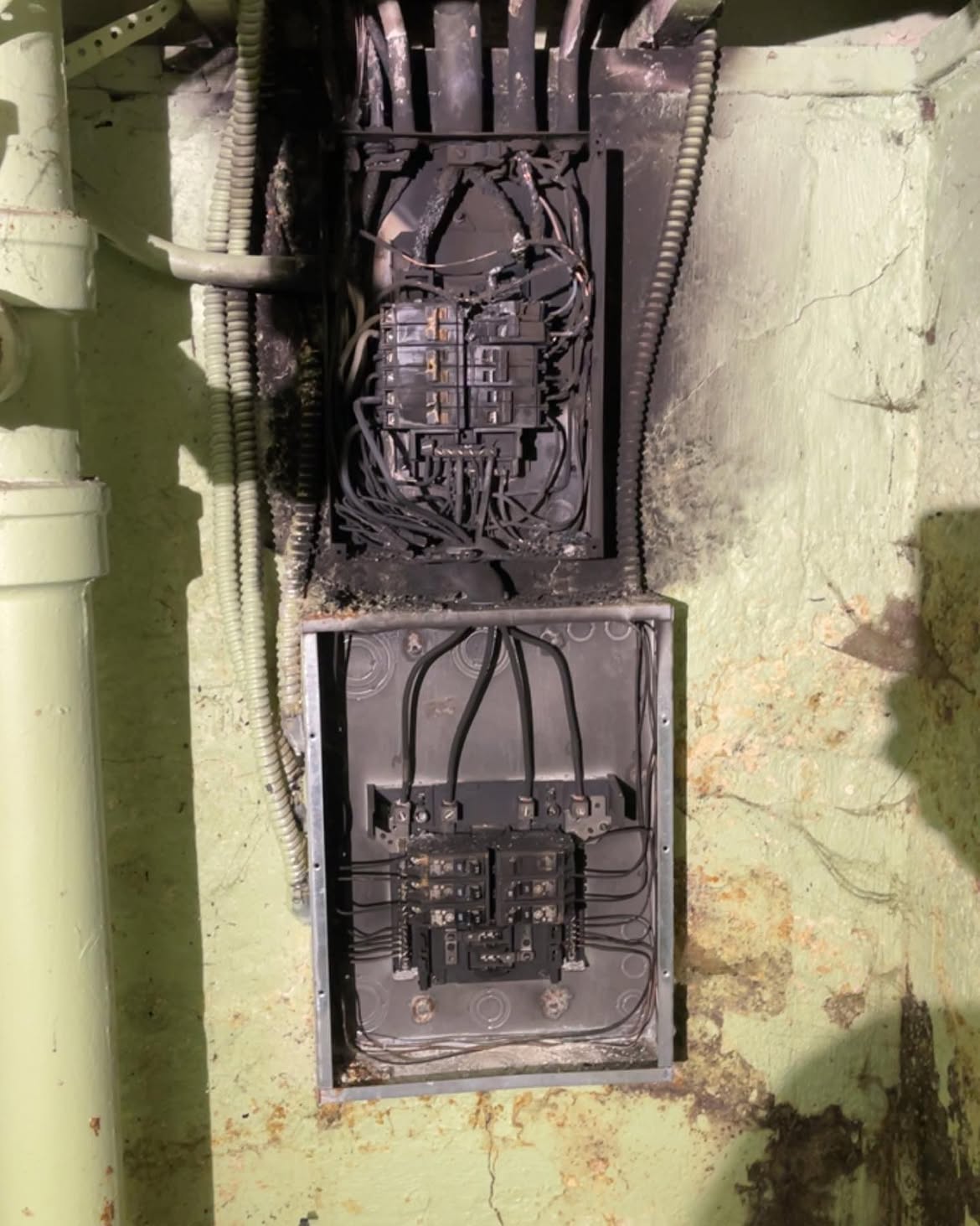
Three to four weeks from first call to final inspection is typical for a planned upgrade. A panel that has failed or burned is a different conversation: we treat it as an emergency call, get temporary power sorted, and expedite the permit and utility steps. This fire-damaged panel and meter replacement in Vancouver shows what that looks like.
Do you actually need a bigger service? Sometimes the answer is no.
A 100-amp service is enough for a lot of homes, and we'd rather do a load calculation than sell you amperage you won't use. The honest triggers for going to 200A are an EV charger on a 40–60A circuit, a heat pump or ductless system replacing gas, an induction range, a hot tub, or an ADU, especially in combination.
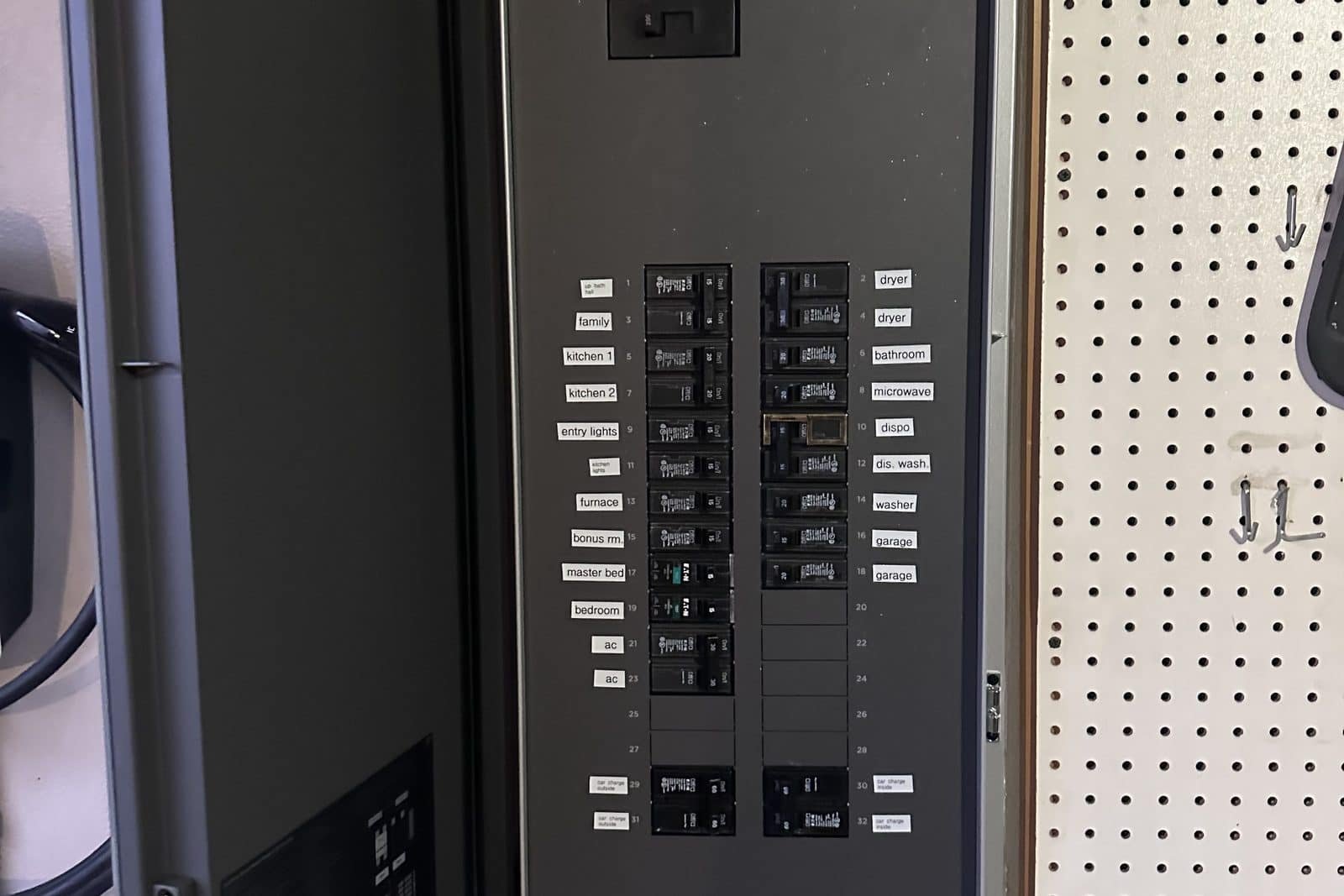
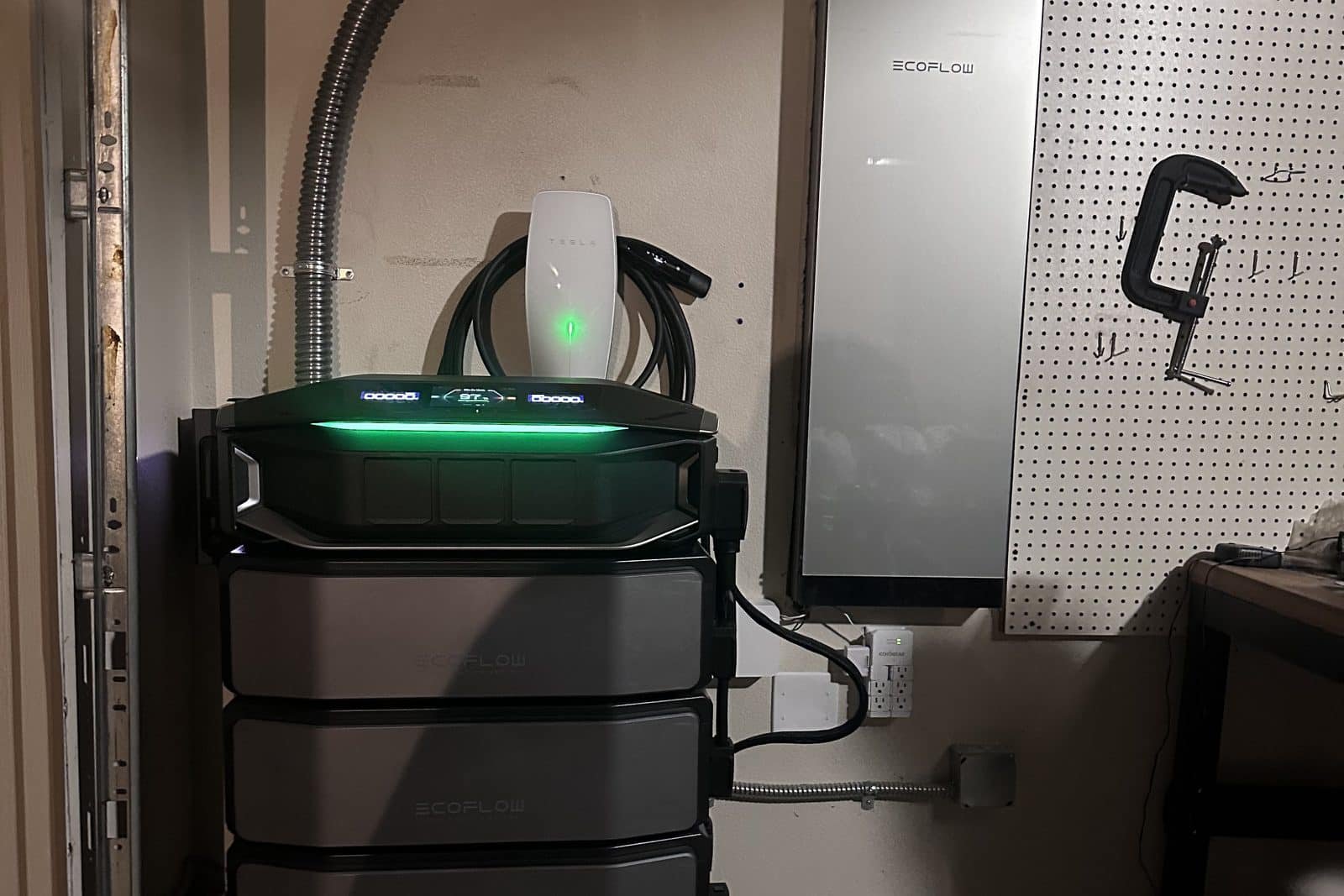
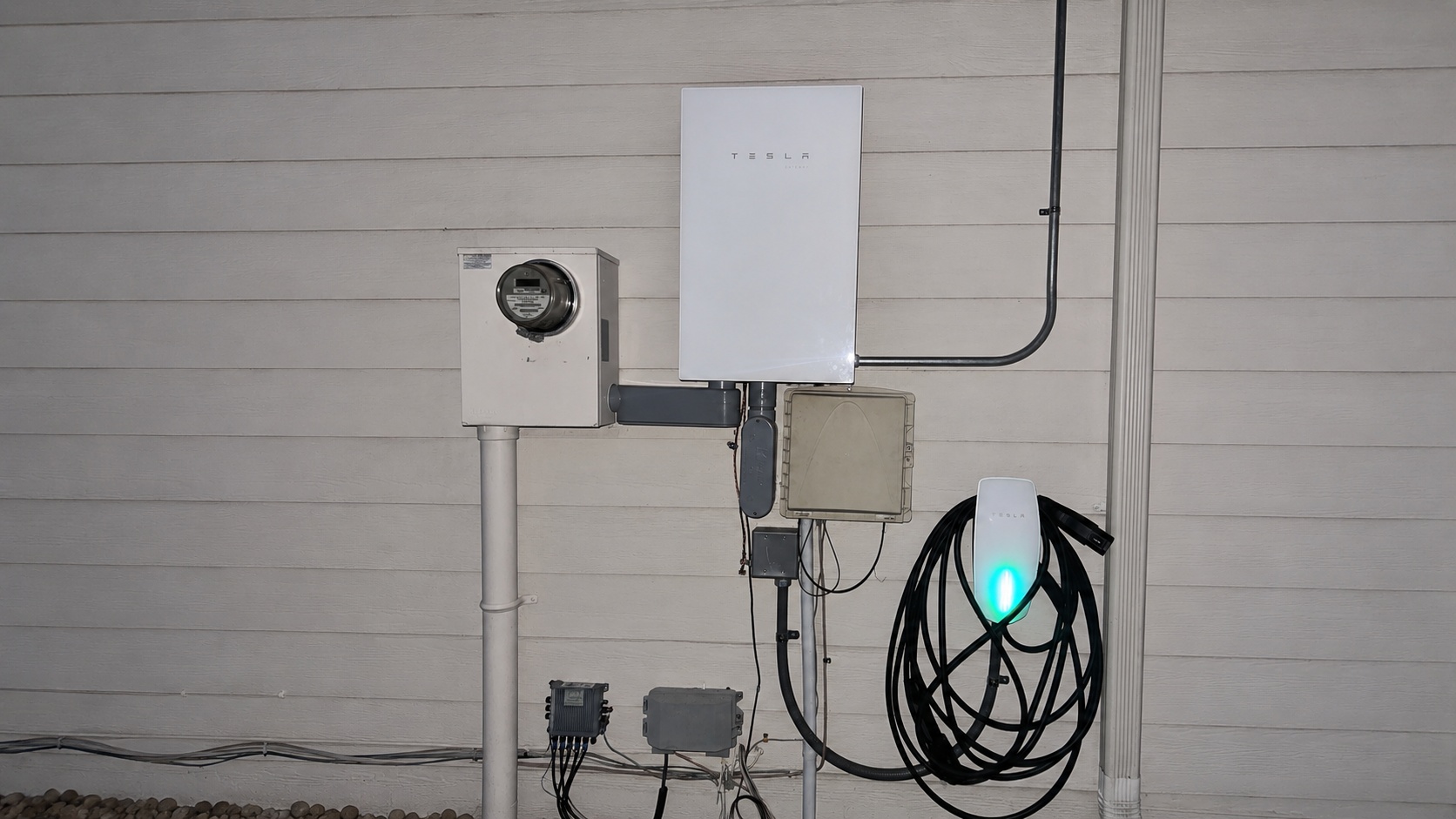
When the panel is sound but full, a subpanel solves the space problem for a fraction of a service upgrade. When the service is tight but not over, a smart panel or a load-managed EV charger can throttle the charger when the dryer and oven are running, and keep you under your existing service without a utility upgrade at all. We installed the smart panel below alongside a whole-home battery and a Tesla charger in Vancouver; the homeowner got backup power and Level 2 charging without touching the service size.
A smart panel with load management, installed in Vancouver, WA. Circuit-level control can postpone a service upgrade for some homes, but not all. See the full project.
Ways to keep the cost down, and what not to skimp on
A few decisions make a real difference to the final number:
Bundle the circuits you know you'll need. Adding the EV charger, hot tub, or shop circuit on the same visit means one permit, one utility appointment, and one trip charge. Pricing a Level 2 charger circuit with the upgrade is almost always cheaper than coming back for it next spring.
Keep the panel where it is if code allows. Relocation is the single biggest optional cost.
Plan it, don't wait for it to fail. An emergency replacement after a burnt main or a failed meter base happens on the utility's schedule and often in the rain. A planned upgrade happens on yours.
Ask for an itemized quote and compare like with like: service size, meter base, grounding, surge protection, permit, and patching should each be visible.
EV chargers, batteries, and heat pumps are the reason most 2026 panel upgrades happen. Pricing them together with the upgrade is the cheapest way to do it.
What not to cut: the permit, the grounding work, the surge protector, and the labeled directory. None of them are where the money is, and all four are what an inspector, an insurer, or the next buyer will look for first.
Insurance, Federal Pacific, and Zinsco panels
If your insurer or home inspector has flagged a Federal Pacific Stab-Lok or Zinsco panel, the replacement usually falls in the like-for-like or 100-to-200A ranges above, and we provide the permit and inspection documentation your carrier asks for. Both brands have a long record of breakers that fail to trip under fault conditions, and many insurers in Oregon and Washington treat replacing them as a condition of coverage rather than a suggestion. Our panel upgrade service page covers what we replace them with and what the process looks like.
Whether you're in Portland, Beaverton, Gresham, Vancouver, or Camas, the same licensed crew (Oregon CCB #244602, Washington POWERPL813L6) handles the estimate, the permit, the utility coordination, and the inspection.
Answers
Frequently asked questions
01How much does it cost to upgrade from 100 to 200 amps in Portland?
Most Portland homeowners pay about $2,500–$5,000 for a 100A-to-200A upgrade that includes a new panel, main breaker, meter socket, permit, and utility coordination. A new mast, weatherhead, grounding system, or a panel relocation pushes the range to roughly $4,500–$8,000. A written estimate after a site visit is the only number worth budgeting on. Across the 100-to-200-amp upgrades we billed between August 2024 and August 2026, the typical job came to $2,500 – $3,500, with a median of $3,000.
02Is a panel upgrade cheaper in Vancouver, WA than in Portland?
Labor and materials are similar across the metro. The permit is a little cheaper through Washington L&I ($121.50 for a 0–200A residential service vs. $239 inside Portland city limits), and Clark Public Utilities' meter-pull process is predictable. The difference is usually a few hundred dollars, not thousands.
03Do I need a permit to replace my electrical panel?
Yes, in both Oregon and Washington. A licensed electrical contractor pulls the permit and schedules the inspection; the utility won't reconnect a service without the inspector's approval. We include the permit in every panel quote.
04How long will my power be off during the upgrade?
Plan on most of one working day, typically 4–8 hours. Power comes back the same day once the inspection and utility reconnect are complete. We'll give you the window ahead of time so you can plan for refrigeration, medical equipment, and work-from-home needs.
05Will PGE or Clark Public Utilities charge me for the upgrade?
A standard like-for-like reconnect usually carries no separate utility charge, but if your upgrade requires a new service drop, a larger transformer, or underground conductor work, the utility may quote that portion separately under its tariff. We flag that possibility during the estimate so it never shows up as a surprise.
06Is 200 amps enough for an EV charger and a heat pump?
For most single-family homes, yes. A 200A service comfortably supports a Level 2 charger on a 40–60A circuit plus a heat pump, range, and dryer. Homes adding two chargers, a large shop, or an ADU are the usual candidates for 400A, and a load calculation tells us which side of the line you're on.
07Can I just replace the breakers instead of the whole panel?
If the panel is a sound, current brand with available replacement breakers, sometimes. If it's a Federal Pacific, Zinsco, or another obsolete panel, replacement breakers either aren't available or don't fix the underlying design problem, and the panel itself should go.
08Does a panel upgrade add value when I sell?
It removes one of the most common inspection-report deal-breakers and answers the buyer's EV and heat pump questions before they ask. A permitted, labeled 200A service with documentation is something appraisers and buyers both recognize.
Electrical panel upgrades and replacements for Portland and Vancouver, WA homes — 100A to 200A service upgrades, Federal Pacific and Zinsco swaps, permit and inspection included, priced in writing before we start.
Sparking panel, burning smell, power out and it isn't the utility? Call now — a licensed electrician is on the way to Portland and Clark County addresses within about an hour, day or night. Call-out from $400; any repair is priced with you before it starts.
Oregon and Washington have different smoke and carbon monoxide alarm rules for owners, sellers, landlords and remodels. Here is what each state requires, where alarms go, when they expire, why hardwired alarms chirp, and what replacement costs.
A 1,500-watt space heater pulls 12.5 amps, which leaves a standard 15-amp bedroom circuit no room for anything else. Here is why the breaker trips, why the trip is not the real danger, and what the fixes cost in Portland and Vancouver.
In each of the last three winters, hundreds of thousands of Portland-metro and Clark County homes lost power, some for the better part of a week. Here is what a standby generator, a portable with a transfer switch, and a home battery actually cost to install and run in 2026, how long each one keeps the heat on, and what the permits look like in Portland, Vancouver and Clark County.
Send us a photo of your panel and meter and tell us what you're adding. You'll get a straight price with the permit, utility coordination, and inspection included.