EV Charging · April 18, 2026

Installing a Home EV Charger: What to Know First

Installing a Home EV Charger: What to Know First

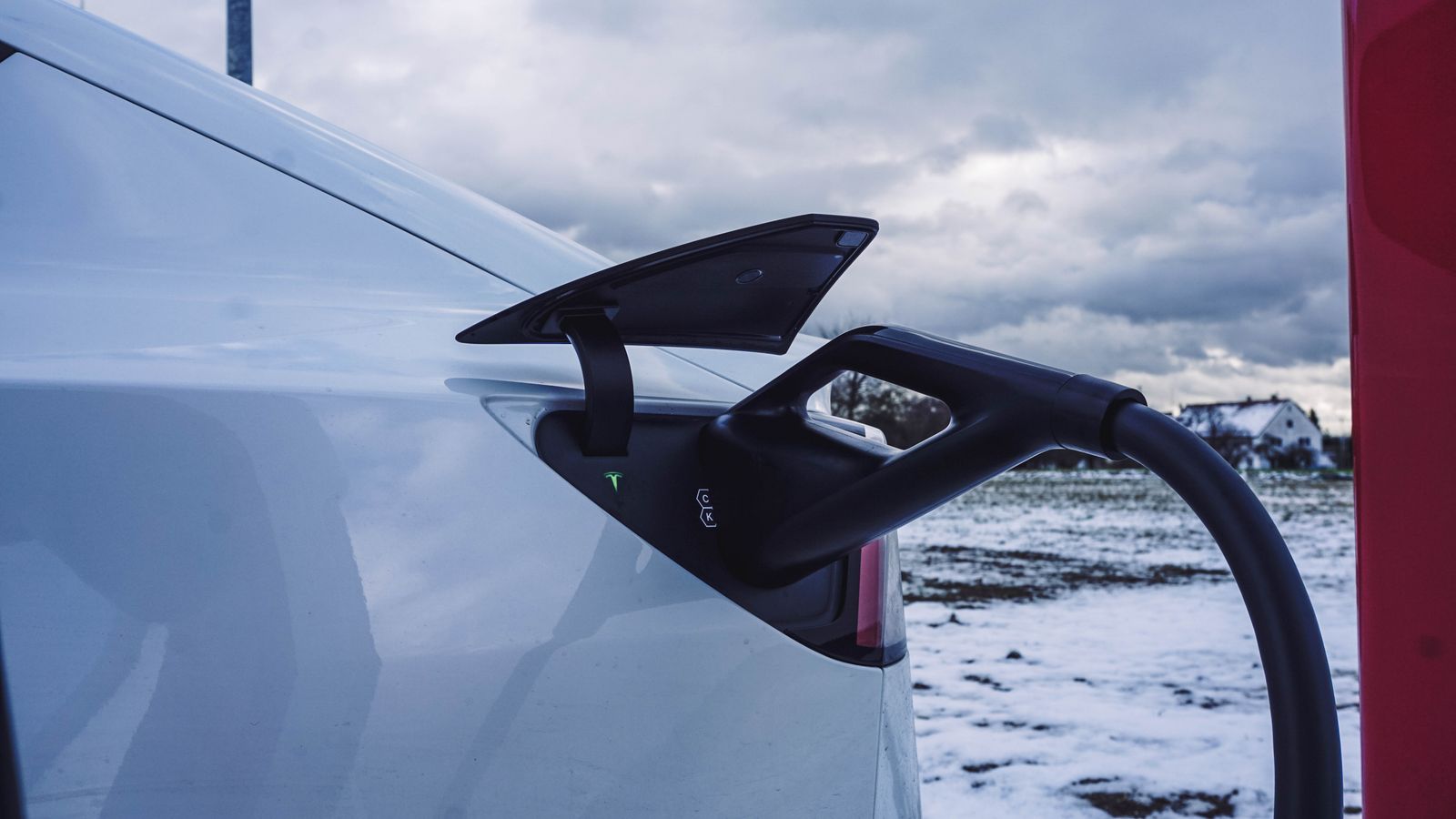
A Level 2 home charger turns overnight charging into a non-event: you plug in, and you wake up full. But the quality of that experience depends entirely on the install.

The first question is capacity. Your panel needs room for a dedicated 240-volt circuit sized to your charger. If it's already full, that doesn't rule out a charger — it just means a panel or subpanel conversation first.

Placement matters too. A clean, code-compliant install runs the circuit efficiently, mounts the unit where you actually park, and protects both the charger and your existing wiring.

Done right, a home charger is safe, fast, and nearly invisible in daily life. Have a licensed electrician assess your panel before you buy — it's the step that saves surprises later.

Keep reading

More from the field

Backup PowerSeptember 9, 2026

Home Generator vs. Battery Backup in Portland and Vancouver, WA: What Actually Keeps the Lights On (2026 Costs)

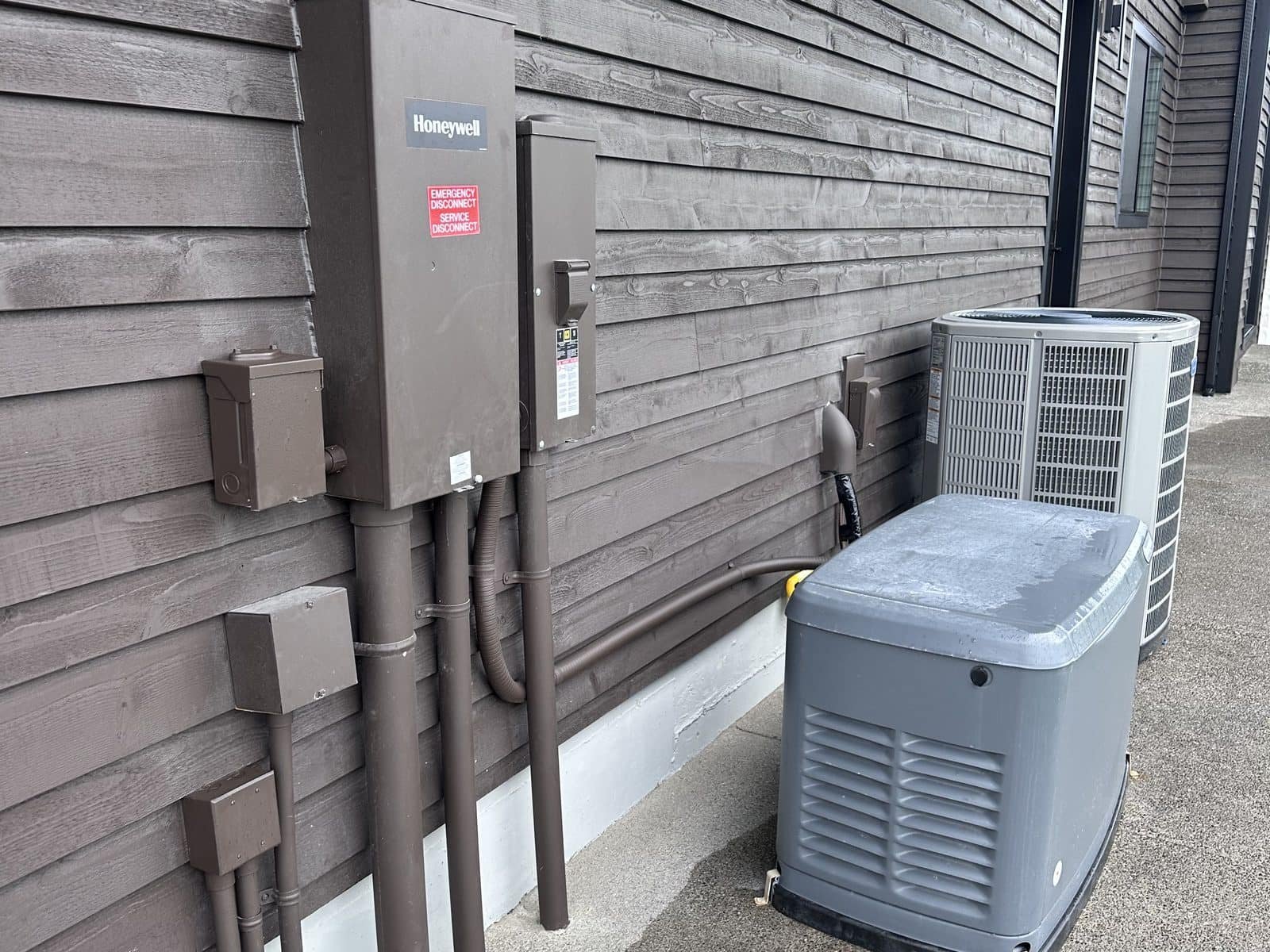
In each of the last three winters, hundreds of thousands of Portland-metro and Clark County homes lost power, some for the better part of a week. Here is what a standby generator, a portable with a transfer switch, and a home battery actually cost to install and run in 2026, how long each one keeps the heat on, and what the permits look like in Portland, Vancouver and Clark County.

Read article

Ready for reliable power?

Still have questions? Get in touch today.

Call for immediate help or send a message for a free, no-obligation estimate.